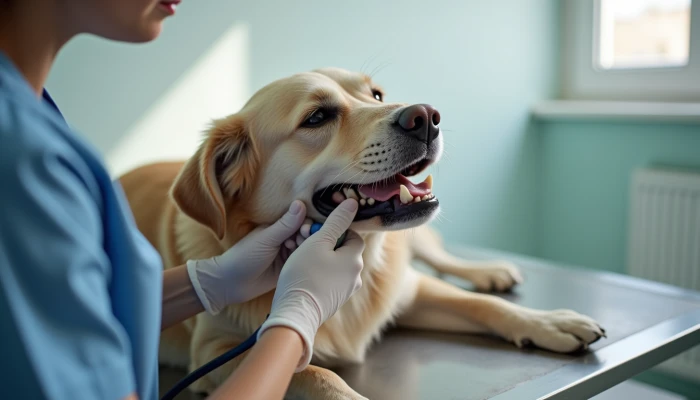
A Simple Dental Care Routine for Senior Pets
Dental care gets more important as pets age, but it can also feel harder. Senior pets may be less tolerant of handling, may already have sore mouths, and often hide discomfort until a problem is advanced.
That is why a simple, steady approach matters. Good senior pet dental care usually means two things working together: professional veterinary exams and cleanings when needed, plus home dental care routines your pet can actually tolerate.
This guide focuses on practical pet wellness steps you can use now. It covers why older pets face more dental risk, what veterinary dental cleanings do, what home care helps most, and which signs of dental issues in seniors mean it is time to call your veterinarian.
Understanding Senior Pet Dental Risks
Dental problems often build slowly in older pets. A senior dog or cat may keep eating and acting mostly normal even while dealing with gum inflammation, loose teeth, or pain below the gumline.
Veterinary senior care guidance commonly notes that the mouth should be checked at every visit because important problems are easy to miss at home. In older pets, periodontal disease is a major concern. It can start with plaque and tartar, then progress to inflamed gums, infection, tissue damage, and tooth instability.
Senior pets may also develop issues that are not obvious from a quick look, including broken teeth, tooth root problems, and tooth resorption. These problems can be painful even when the tooth still looks mostly intact from the outside.
Another reason dental care matters is that oral disease is not just a mouth issue. Ongoing infection and inflammation can affect overall health and may complicate other age-related concerns. For a pet already dealing with senior dog care or senior cat care needs, untreated dental disease can add avoidable pain and stress.
A practical takeaway is this: do not wait for dramatic symptoms. In many older pets, dental decline is quiet at first.
Here are the risks owners most often overlook:
- Bad breath that seems "normal for age"
- Tartar that hides gum inflammation underneath
- Pain that shows up as slower eating, not total refusal to eat
- Broken or resorbing teeth that need professional evaluation
- Infection below the gumline that cannot be assessed fully at home
Seeing dental care as part of a broader pet wellness plan can make it easier to stay consistent. It is less about chasing perfect teeth and more about reducing pain, catching disease earlier, and supporting comfort in the senior years.
Veterinary Dental Cleanings for Senior Pets
Professional dental care is the foundation of oral health in older pets. Home care helps, but it cannot remove tartar and address disease below the gumline the way a veterinary dental cleaning can.
For senior pets, cleanings performed under anesthesia allow the veterinary team to examine the mouth thoroughly, clean above and below the gumline, and identify problems such as loose teeth, pockets of infection, fractures, or resorptive lesions. In many cases, dental imaging may also be recommended to look for hidden disease.
Many owners worry about anesthesia in older pets. That concern is understandable. Current veterinary practice typically addresses this by using pre-anesthetic screening, such as bloodwork, and close monitoring during the procedure. Age alone does not automatically rule out dental cleaning. The decision depends on your pet's overall health, exam findings, and your veterinarian's assessment.
Regular dental evaluations also matter between procedures. Annual checks are a common baseline, and some senior pets benefit from more frequent monitoring if they already have dental disease, heavy tartar buildup, or other health issues.
If you are unsure whether your pet may need a professional cleaning, this quick comparison can help.
| What you notice at home | What it may mean | Next step |
|---|---|---|
| Mild tartar but eating normally | Early buildup may be present | Ask for an oral exam at the next routine visit |
| Strong bad breath, visible tartar, red gums | Possible periodontal disease | Schedule a veterinary dental evaluation soon |
| Dropping food, chewing on one side, pawing at mouth | Possible pain, broken tooth, or advanced disease | Contact your veterinarian promptly |
| Swelling, bleeding, or sudden change in appetite | Possible infection or significant oral pain | Seek veterinary care without delay |
A useful question to ask at checkups is not just, "Do the teeth look okay?" Ask whether your senior pet may need a fuller dental assessment, how often the mouth should be rechecked, and what home care is realistic after the exam.
At-Home Dental Care Routines
The best home routine is the one you can do consistently without causing your pet unnecessary stress. For most pets, daily brushing with pet-safe toothpaste is considered the most effective at-home step for plaque control.
That does not mean you need to force a full brushing session right away. Senior pets often do better with a gradual approach, especially if their mouth is already tender.
A simple home dental care routine can look like this:
- Start by gently touching your pet's muzzle and lifting the lips for a second or two.
- Once your pet accepts that, let them get used to the taste of pet-safe toothpaste on your finger or a brush.
- Focus first on the outer surfaces of the teeth, where plaque commonly collects.
- Keep sessions short and calm.
- Stop and contact your veterinarian if your pet seems painful.
If brushing is not yet possible, ask your veterinarian what supportive options may fit your pet. Some dental chews or oral care products used consistently may help reduce buildup, but they work best as a supplement, not a replacement for brushing or professional care.
It also helps to build a quick observation habit into your routine. During or after brushing, look for changes such as odor, drooling, gum redness, or reluctance to let you touch one side of the mouth.
Use this weekly checklist to keep the routine manageable.
- Brush or practice brushing most days if your pet tolerates it
- Check for bad breath that seems stronger than usual
- Look for visible tartar along the gumline
- Notice any drooling, bleeding, or mouth sensitivity
- Watch for slower chewing or food dropping
- Make a note to mention changes at the next vet visit
The goal is not a perfect routine from day one. The goal is steady maintenance that supports pet wellness and helps you spot changes early. If your pet resists suddenly after previously tolerating brushing, treat that as useful information rather than stubbornness. Pain is often part of the picture.
Recognizing Dental Issues in Senior Pets
Older pets rarely tell you directly that their mouth hurts. Instead, they show small behavior changes that are easy to dismiss as normal aging.
Signs of dental issues in seniors can include persistent bad breath, visible tartar, red or bleeding gums, drooling, chewing more slowly, dropping food, favoring one side of the mouth, or avoiding harder food. Some pets become less interested in toys they used to chew. Others pull away when you touch their face.
A few warning signs deserve prompt veterinary attention because they may point to significant pain or infection.
- Swelling around the mouth or jaw
- Bleeding from the gums or mouth
- Sudden trouble eating
- Crying out while chewing or yawning
- A loose or broken tooth you can see
- Marked lethargy along with oral symptoms
It can help to separate monitor-at-home signs from call-the-vet signs.
| Sign | Monitor closely | Contact veterinarian |
|---|---|---|
| Mild bad breath | Yes, but mention it at the next visit | Sooner if it worsens or comes with other signs |
| Visible tartar | Briefly, if your pet seems comfortable | Yes, to discuss exam and cleaning needs |
| Eating a little slower | Short-term observation | Yes, if repeated or paired with chewing changes |
| Bleeding gums | No | Yes |
| Facial swelling | No | Yes |
| Refusing food due to mouth discomfort | No | Yes |
Do not assume these signs are just part of getting older. Age can increase risk, but pain, infection, and damaged teeth still need attention. Home care is helpful, but it does not replace an exam when symptoms appear.
If you already keep a pet wellness plan for vaccines, weight checks, or routine vet care, add oral health notes to it. A short record of appetite changes, odor, chewing habits, and prior dental procedures can make veterinary visits more useful and help track whether a problem is getting worse.
Conclusion
Senior pet dental care does not need to be complicated to be effective. What matters most is combining regular veterinary oversight with home habits you can maintain.
Professional dental exams and cleanings help find and treat problems that stay hidden below the gumline. At home, brushing, gentle monitoring, and a simple routine can lower plaque buildup and help you notice changes sooner.
If your older pet has bad breath, chewing changes, gum bleeding, or visible tartar, it is worth bringing up with your veterinarian rather than waiting. Small steps taken early can make a real difference in comfort and day-to-day quality of life.