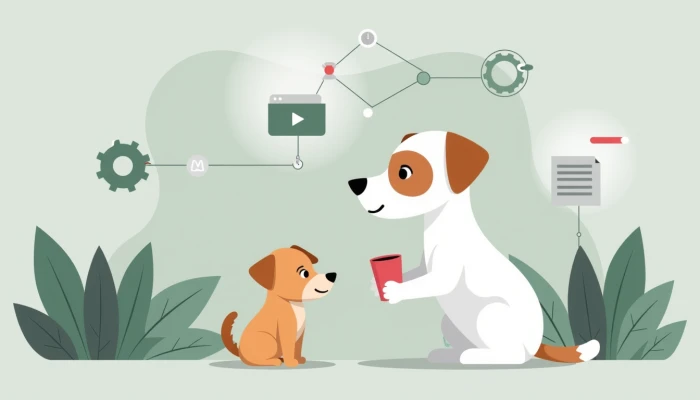
Simple Games That Help Senior Pets Stay Engaged
As pets get older, many slow down physically, but that does not mean their need for mental engagement goes away. In fact, senior pet care often works best when it includes simple ways to keep the mind active along with routine vet care, comfort, and daily structure.
Owners may notice changes such as confusion, less interest in play, more sleeping, or a harder time adjusting to routine changes. Those shifts can be frustrating or worrying, especially when you want to help without pushing your pet too hard.
The good news is that mental stimulation does not have to be complicated. Short, gentle games can give older dogs and cats a chance to problem-solve, use their senses, and stay connected with you. Veterinary guidance commonly supports enrichment as part of a broader pet wellness plan, especially when activities are adapted to a senior pet’s comfort and limits.
Why Mental Stimulation Matters for Senior Pets
Mental activity is not just about preventing boredom. For older pets, it can support day-to-day quality of life by giving them safe, manageable challenges and more positive interaction with their environment.
Veterinary and animal care guidance often notes that when senior pets get very little enrichment, they may become more withdrawn, anxious, restless, or less interested in normal routines. Mental stimulation gives them something to do, but it also helps preserve confidence and curiosity.
That does not mean every game needs to be formal. Small changes can matter. A different walking route for a senior dog, a new sniffing area in the yard, or a familiar room rearranged slightly for supervised exploration can refresh an older pet’s attention without demanding intense exercise.
A helpful way to think about enrichment is to focus on activities that let your pet do one or more of the following:
- sniff or search
- make a simple choice
- solve a small problem
- interact with you in a predictable way
- explore safely at their own pace
For many pets, the goal is not excitement. It is gentle engagement. Short sessions are often enough, especially if your pet tires easily or seems overstimulated.
If your pet seems confused, less responsive, or suddenly stops enjoying activities they used to like, that is a good reason to bring it up with your veterinarian. Games can support well-being, but they are not a substitute for professional evaluation when behavior changes may reflect pain, sensory decline, or cognitive issues.
Interactive Games for Senior Dogs and Cats
The best interactive games for seniors are usually low-impact, easy to adjust, and built around natural behaviors like sniffing, foraging, tracking, and watching.
One strong option is scent work. For dogs, this can be as simple as hiding a few treats around one room and letting them search. Some veterinary sources describe this as a kind of "Scent Safari" because it turns ordinary sniffing into a small mental adventure. For cats, you can hide a few kibble pieces or treats in safe, easy-to-reach spots so they can investigate and find them.
Puzzle feeding is another useful choice. Instead of serving every meal in a bowl, you can occasionally offer part of the meal in a simple puzzle feeder or through easy food-foraging setups. The point is not to make eating hard. The point is to add a little thinking and exploration.
Modified training can also work well. Senior pets can still learn. Very short sessions that reinforce familiar cues or introduce a simple new behavior can help with focus and confidence. This might mean practicing "touch," "find it," or a calm stationing behavior on a mat.
Here are a few age-appropriate ideas to try:
| Game | How it works | Why it suits many seniors |
|---|---|---|
| Scent search | Hide treats or favorite toys in easy spots | Uses natural instincts with little physical strain |
| Puzzle feeding | Offer food through a simple puzzle or scatter setup | Adds mental work to a normal routine |
| Gentle hide-and-seek | Hide a treat nearby or call your pet from another room | Encourages focus and problem-solving |
| Short training refreshers | Practice known cues or one easy new skill | Builds confidence and attention |
| Toy rotation | Put away some toys and reintroduce them later | Keeps familiar items interesting |
A few tips make these games more useful:
- Keep sessions short, often 3 to 10 minutes.
- End before your pet seems tired or frustrated.
- Use easy wins at first.
- Let your pet work at their own pace.
- Choose rewards that fit their regular diet and health needs.
For senior dog care, scent games are often especially helpful because they provide a lot of mental work without asking for much impact on the joints. For senior cat care, food hunts, toy rotation, and short interactive play can offer similar benefits when adapted to the cat’s mobility and interest level.
Adapting Activities for Comfort and Safety
A game only helps if your pet can enjoy it comfortably. Older pets may have arthritis, reduced vision or hearing, lower stamina, or less tolerance for frustration. That is why adapting the activity matters as much as choosing it.
Start by matching the game to your pet’s current abilities, not their younger self. A dog who once loved chasing may now do better with a rolled ball on flat ground than repeated jumping or sharp turns. A cat who used to leap onto shelves may prefer a treat trail across the floor or a toy moved slowly within easy reach.
This simple checklist can help you adjust activities:
- Use non-slip surfaces when possible.
- Avoid stairs, jumping, and quick pivots if your pet has mobility issues.
- Make hiding spots easy to reach.
- Keep sessions predictable and calm.
- Stop if your pet seems sore, confused, or frustrated.
- Offer water and rest after play.
Sensory enrichment can also be useful. Different textures, safe sniffing opportunities, and familiar objects presented in a new way can spark interest without requiring much movement. Some pets enjoy exploring a towel with hidden treats, a cardboard box with openings, or a familiar toy brought back after a short break.
Social interaction can help too, but only when it is truly comfortable for the pet. Some senior dogs enjoy calm, controlled play or parallel walks with another friendly dog. Others prefer one-on-one time with their person. The same is true for cats. Not every older pet wants more social stimulation, and forcing it can backfire.
A common mistake is assuming more challenge is always better. It usually is not. If your pet gives up quickly, seems confused, or loses interest, simplify the task. Success should feel achievable.
Use this quick adjustment guide if you are unsure where to start:
| If your pet has... | Try... | Avoid... |
|---|---|---|
| Joint stiffness | Floor-based scent games, rolled toys, easy puzzle feeders | Jumping, stairs, fast turns |
| Vision changes | Scent-led games, sound cues, familiar layouts | Complex visual puzzles |
| Low stamina | Very short sessions with breaks | Long play periods |
| Frustration with puzzles | Beginner-level food searches | Difficult multi-step tasks |
This kind of tailoring is part of practical preventive pet care. It respects the reality of aging while still giving your pet meaningful ways to stay engaged.
Bonding Benefits and Veterinary Insights
Interactive games do more than occupy time. They create shared routines that can strengthen trust and communication between you and your pet.
When you hide treats, practice a cue, or guide a calm search game, your pet is not just solving a problem. They are also learning that you are part of a predictable, rewarding experience. That can be especially valuable for older pets who may feel less se as their senses or habits change.
Veterinary guidance on aging pets often emphasizes individualized management. Mental stimulation is usually presented as one part of a larger wellness picture that also includes pain management, routine exams, nutrition, sleep, and a stable home environment. In other words, games work best when they fit into your pet’s overall pet wellness plan.
That broader view matters because not every change in behavior is simply aging. If a senior pet suddenly seems disoriented, stops interacting, vocalizes more, or cannot settle, a veterinarian can help sort out whether pain, sensory decline, cognitive dysfunction, or another medical issue may be involved.
You do not need an elaborate routine to get bonding benefits. Consistency matters more than complexity. A simple weekly rhythm may be enough, such as:
- One short scent game in the morning.
- A calm training refresher later in the day.
- A few minutes of gentle interactive play or supervised exploration in the evening.
That kind of structure can help some senior pets feel more se while still giving them novelty in small doses.
A good rule is to watch your pet’s response over time. Signs that an activity is a good fit may include relaxed interest, willingness to participate, and calm recovery afterward. If your pet seems stressed or physically uncomfortable, scale back and ask your veterinarian what kinds of enrichment make sense for their age and health status.
Mental stimulation can support emotional well-being and may help slow the slide into disengagement for some pets, but it should be framed realistically. These activities are supportive tools, not guarantees, and they do not replace veterinary care for diagnosed cognitive or medical problems.
Conclusion
Keeping an older pet mentally engaged does not require intense exercise or complicated gear. Often, the most useful games are the simplest ones: sniffing out treats, solving an easy food puzzle, practicing a familiar cue, or exploring a slightly new routine.
What matters most is choosing activities your pet can do comfortably and repeating them often enough to become a positive part of daily life. That combination of gentle challenge, consistency, and shared attention can support quality of life and strengthen your bond.
If you are noticing confusion, withdrawal, or other behavior changes, bring those observations to your veterinarian. They can help you build a safe, realistic plan that supports both mental stimulation and your pet’s overall senior care needs.