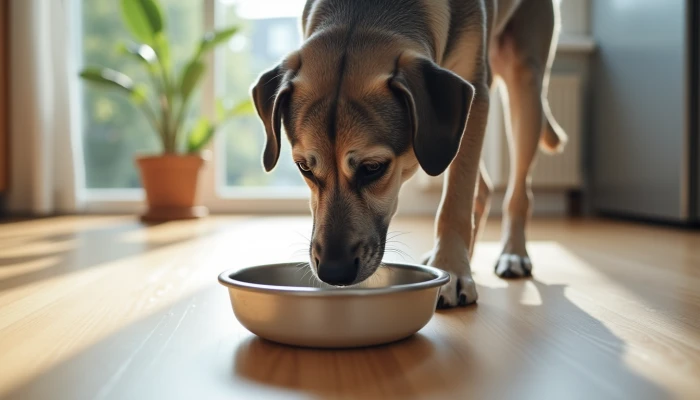
Simple Ways to Help an Older Pet Drink More Water
Hydration often gets harder to manage as pets age. An older dog may not want to walk as far to a water bowl. An older cat may seem less interested in drinking, even when water is available. Some senior pets also live with health changes that increase fluid loss or make steady water intake more important.
That can leave owners with a practical question: how do you help a senior pet drink enough without turning every day into a struggle?
The good news is that many hydration supports are simple. In senior pet care, the basics matter most: fresh water access, easy-to-reach bowls, moisture-rich meals, and regular observation. These steps do not replace veterinary care, but they can make everyday hydration easier and help you notice problems sooner.
Understanding Hydration Needs in Senior Pets
Hydration matters at every age, but it becomes especially important in older pets. Senior dogs and cats may drink less for practical reasons, such as stiffness, reduced mobility, or changes in routine. They may also have age-related health issues that affect thirst, urination, or overall fluid balance.
Veterinary guidance commonly notes that dehydration risk can rise in older pets because aging organs may be less efficient, and chronic conditions can complicate water balance. That does not mean every senior pet will struggle with hydration. It does mean owners should pay closer attention than they might have in earlier years.
A few warning signs can suggest that your pet is not getting enough fluids.
- Dry or tacky gums
- Sunken-looking eyes
- Lethargy or unusual tiredness
- Reduced skin elasticity
- Lower appetite or less interest in normal activities
Some of these signs can overlap with other health concerns, so they are not a home diagnosis tool. They are a signal to pay attention and, if the change is new or persistent, contact your veterinarian.
Older pets with chronic conditions may need especially close monitoring. Kidney disease is one commonly discussed example in senior pet care because it can affect how the body handles fluids. Increased urination, reduced appetite, and lower interest in drinking can all make hydration harder to maintain.
A simple home check can help you stay organized. Watch for changes in these areas over a few days instead of relying on one moment.
| What to watch | What it may tell you |
|---|---|
| Water bowl level | Whether your pet seems to be drinking more or less than usual |
| Gum moisture | Dry or sticky gums can be a warning sign |
| Energy level | Lethargy can go along with poor hydration |
| Appetite | Pets that eat less may also take in less moisture overall |
| Litter box or bathroom habits | Changes in urination can point to a hydration or health issue |
If your senior pet suddenly stops drinking, seems weak, vomits repeatedly, or shows clear signs of dehydration, do not try to manage it with home strategies alone. That is the point to involve a veterinarian promptly.
Ensuring Fresh Water Access
One of the easiest ways to support hydration is to make water easier to reach and more appealing to drink. This sounds basic, but it is often where the biggest improvements happen.
For older pets, distance and comfort matter. A pet with arthritis, weakness, or vision changes may not want to travel far for a drink. If the only bowl is in a busy room, near stairs, or far from favorite resting spots, your pet may drink less simply because access is inconvenient.
Start with setup.
- Place multiple water stations around the home
- Keep at least one bowl near sleeping or resting areas
- Avoid placing all bowls near stairs or slippery floors
- Use bowls that are easy to approach without bending awkwardly
- Refill often so water stays fresh
Cleanliness matters too. Some pets are sensitive to stale water, food debris, or bowl buildup. Washing bowls regularly and replacing water through the day can make a noticeable difference.
Pet water fountains can also help. Some pets, especially cats, seem more interested in moving water than still water in a bowl. A fountain may encourage drinking by keeping water circulating and fresh. It is not necessary for every household, but it can be a useful option if your pet ignores a standard bowl.
If you try a fountain, keep expectations practical. Some pets take to it quickly, while others prefer familiar bowls. It can help to offer both rather than forcing a switch.
Here is a simple comparison to help decide what to try first.
| Option | When it may help | What to keep in mind |
|---|---|---|
| Standard water bowls | Good for most pets and easy to place in several rooms | Need frequent cleaning and refilling |
| Raised or easy-access bowls | Helpful for pets with stiffness or mobility issues | Height should be comfortable, not awkward |
| Pet water fountains | May encourage pets that like running water | Need regular cleaning and filter maintenance |
| Multiple bowl stations | Helpful for large homes or pets that rest often | Check all bowls daily so none sit empty |
A few small mistakes can also get in the way of hydration.
- Leaving one bowl in a hard-to-reach location
- Letting water sit too long without refreshing it
- Forgetting to check bowls in low-traffic rooms
- Assuming a pet that eats normally is also drinking normally
In many homes, the most effective approach is not one special item. It is a routine: fresh water access in several easy spots, checked and refreshed every day.
Leveraging Moisture-Rich Foods
Food can play a helpful role in hydration, especially for senior pets that do not drink eagerly on their own. Wet food benefits many older pets because it adds moisture as part of a normal meal rather than relying only on separate drinking.
This can be especially useful for pets with lower appetite, reduced sense of smell, or a habit of taking only small drinks. Wet food is not a universal answer, but it is one practical way to increase daily moisture intake.
If your pet eats dry food, there may still be room to support hydration. Some owners add water to kibble or mix in a small amount of low-sodium broth to make meals more appealing and increase moisture. Any diet change should be gradual, especially for older pets with sensitive digestion.
A simple sequence can help you test what works.
- Keep your pet’s usual food routine stable.
- Add a small amount of water to one meal and see whether your pet accepts it.
- If needed, try a gradual shift toward some wet food rather than changing every meal at once.
- Watch appetite, stool quality, and overall interest in meals.
- Ask your veterinarian before making bigger diet changes, especially if your pet has kidney, digestive, or urinary concerns.
Some senior pets may also benefit from diets chosen with age-related health needs in mind. For example, pets with kidney concerns may need a veterinarian-guided nutrition plan rather than casual food changes at home. The goal is not to guess at a medical diet. The goal is to use moisture-rich feeding strategies safely and realistically.
This quick checklist can help you decide whether food-based hydration support is worth trying.
- Your pet eats dry food and drinks only small amounts
- Your pet seems more interested in meals than in the water bowl
- Your pet does well with gradual food changes
- Your veterinarian has not advised against adding moisture to meals
- You are able to monitor how your pet responds over several days
It is also worth remembering that food moisture supports hydration, but it does not replace fresh drinking water. Senior pets still need easy access to clean water throughout the day.
If your pet suddenly refuses food, refuses water, vomits, or seems unusually weak, skip experimentation and call your veterinarian. In senior dog care and senior cat care alike, a fast change in eating or drinking habits deserves attention.
Conclusion
Helping an older pet stay hydrated usually comes down to steady, practical habits. Fresh water access, moisture-rich meals, and pet water fountains can all support better intake when used in a way that fits your pet’s routine.
The key is consistency. Notice where your pet rests, how easily they can reach water, and whether meals can safely provide extra moisture. Small adjustments often work better than dramatic changes.
If you see ongoing signs of dehydration, sudden changes in drinking, or a drop in energy or appetite, involve your veterinarian. Good senior pet care includes home observation, but it also means knowing when hydration concerns need professional guidance.