Why Dental Problems Sneak Up on Pets
Many pets live with dental trouble long before their owners notice anything is wrong. Bad breath may seem minor, and some pets keep eating normally even when their mouths are uncomfortable. That can make oral health easy to push down the list of routine care.
But dental care is part of everyday pet wellness, not just a cosmetic extra. Problems in the mouth can affect comfort, chewing, and overall health. The good news is that prevention usually starts with simple habits at home, supported by routine vet care that catches issues early.
Understanding Periodontal Disease in Pets
Periodontal disease is one of the most common health problems in companion animals. Veterinary sources and published research consistently describe it as highly prevalent in dogs and cats, with reports that it affects most pets by around age 3. That matters because many owners do not see obvious warning signs at first.
The process usually starts with plaque. Plaque is a sticky film of bacteria that forms on the teeth. If it is not removed regularly, it hardens into tartar. Once tartar builds up, it irritates the gums and creates more space for bacteria to collect around the tooth and below the gumline.
Over time, that irritation can progress from mild gum inflammation to deeper damage involving the tissues that support the teeth. This is what people usually mean when they talk about periodontal disease. It is not just about dirty-looking teeth. It is a disease process that can lead to pain, gum recession, loose teeth, and infection.
One reason oral health problems are so common is that pets rarely brush their own teeth through normal chewing alone. Chewing may help a little in some cases, but it does not reliably remove plaque from all tooth surfaces, especially near the gumline where disease often begins.
Another reason these problems sneak up on families is that pets often hide discomfort well. A dog or cat may still eat, play, and act mostly normal while dealing with a sore mouth. Signs may be subtle.
Common signs that can show up as dental disease progresses include:
- bad breath
- red or swollen gums
- yellow or brown tartar on the teeth
- drooling more than usual
- pawing at the mouth
- chewing on one side
- reluctance to eat hard food or treats
- visible discomfort when the mouth is touched
Dental disease can also matter beyond the mouth. Veterinary guidance commonly notes that oral disease may be associated with broader health concerns, which is one reason routine dental assessment is treated as part of preventive care rather than an optional add-on.
Preventive Care at Home
Home care works best when it is consistent and realistic. The goal is to slow plaque buildup before it turns into tartar, because tartar usually cannot be brushed away once it hardens.
Daily brushing is the most direct way to reduce plaque. Use toothpaste made for pets, not human toothpaste. Start slowly, especially if your pet is not used to mouth handling. For many families, a short routine done calmly every day is more sustainable than trying to do a long session once in a while.
If brushing is new for your pet, a simple sequence can help.
- Let your pet get used to having the muzzle and lips touched.
- Introduce the pet toothbrush or finger brush without scrubbing at first.
- Add a small amount of pet toothpaste.
- Focus on the outer tooth surfaces, especially near the gumline.
- Keep sessions short and end before your pet becomes stressed.
Brushing is the foundation, but some pets need extra support. Certain dental diets, chews, or toys may help reduce plaque on tooth surfaces. These options can be useful additions, but they do not replace brushing or professional care. Their effect also varies by pet, chewing style, and the specific item used.
Water additives may also support oral hygiene for some households, especially when brushing is difficult. They are usually most helpful as part of a broader routine, not as a stand-alone answer.
A simple weekly checklist can make pet dental care easier to keep up with.
- Brush teeth as often as your pet will tolerate, ideally daily.
- Check for bad breath, gum redness, or visible tartar.
- Notice any changes in chewing, appetite, or mouth sensitivity.
- Clean or rotate dental tools and supplies.
- Make a note to ask your veterinarian about anything that looks different.
What home care can and cannot do is worth keeping straight.
| Home care step | What it helps with | What it does not do |
|---|---|---|
| Brushing | Removes plaque before it hardens | Remove established tartar below the gumline |
| Dental diets or chews | May reduce some surface buildup | Replace brushing or exams |
| Water additives | May support daily hygiene | Diagnose dental pain or disease |
| Visual checks at home | Help owners spot changes earlier | Confirm the cause of oral symptoms |
The main mistake to avoid is assuming that a pet who still eats normally must have a healthy mouth. Prevention is about routine, not waiting for obvious distress.
The Role of Veterinary Checkups
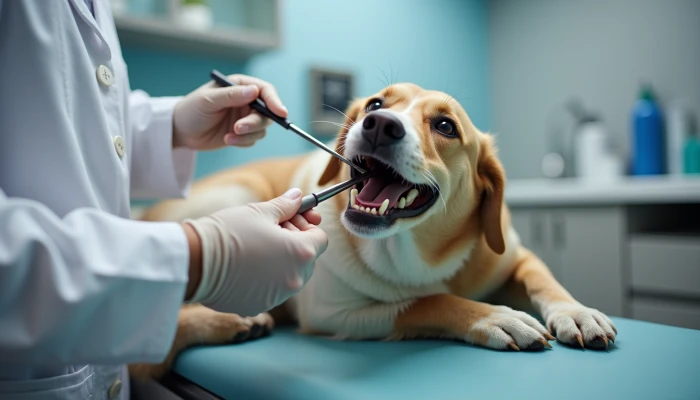
At-home care matters, but it has limits. Veterinary checkups are important because they help catch problems that are easy to miss during daily life. Professional exams can identify early gingivitis, broken teeth, painful areas, and disease below the gumline that may not be visible during a quick look at home.
Guidance from veterinary organizations recommends that pets have their teeth and gums checked at least yearly. For some pets, especially those with a history of dental problems, your veterinarian may recommend more frequent monitoring.
Routine vet care supports dental health in a few key ways.
- It creates a regular chance to look for early changes.
- It helps distinguish mild plaque from more serious disease.
- It allows discussion of home care that fits your pet's temperament and age.
- It identifies when professional cleaning or further treatment is needed.
Professional cleanings are also different from what owners can do at home. Brushing helps manage plaque on visible surfaces, but it cannot remove hardened tartar in the same way a veterinary dental cleaning can. That is why home care and professional care work together rather than competing with each other.
Veterinarians also look for signs of oral pain that pets may hide. A pet that seems merely picky with food may actually have discomfort. A pet that resists face handling may not just be stubborn. Checkups help put those changes in context.
If you are unsure whether to bring up a mouth concern, it is usually worth asking during the next visit or sooner if symptoms appear. That is especially true if you notice bleeding gums, trouble eating, a broken tooth, facial swelling, or a sudden change in breath odor.
Insurance Considerations for Dental Care
Dental care can also raise practical questions about cost, which is where pet insurance explained in plain terms can help. Coverage varies by insurer and policy, so it is important to read the details rather than assume all dental issues are handled the same way.
In many standard policies, accident-related dental injuries are more likely to be covered than routine preventive care. For example, treatment connected to a broken tooth from an accident may be handled differently than a scheduled cleaning.
Routine dental cleanings are often excluded from base accident-and-illness coverage. Some insurers offer wellness add-ons or wellness plans that may help with preventive services such as cleanings or checkups, but those benefits are policy-specific.
Pre-existing dental conditions are also commonly excluded from new coverage. That means if your pet already has documented periodontal disease or another oral condition before enrollment, a new policy may not pay for related treatment later.
A simple way to review a policy is to check these points.
- Are dental accidents covered?
- Are dental illnesses covered, or only injuries?
- Are routine cleanings excluded from the base plan?
- Is there an optional wellness plan for preventive care?
- How does the policy define pre-existing conditions?
- Are there exam requirements or waiting periods?
This is one area where broad statements can be misleading. Some plans cover more dental illness care than others, while some focus mainly on accidents. If dental costs are a major concern for your household, compare the policy language carefully before relying on coverage.
Conclusion
Dental problems are common in pets because plaque builds up easily, early disease is easy to miss, and many animals hide oral discomfort well. That is why prevention works best as a combination of steady home care and regular veterinary attention.
A practical plan does not need to be complicated. Brush when you can, watch for changes, and make sure dental checks are part of routine vet care. That approach supports comfort, helps catch trouble earlier, and strengthens long-term pet wellness without pretending that home care can do everything on its own.