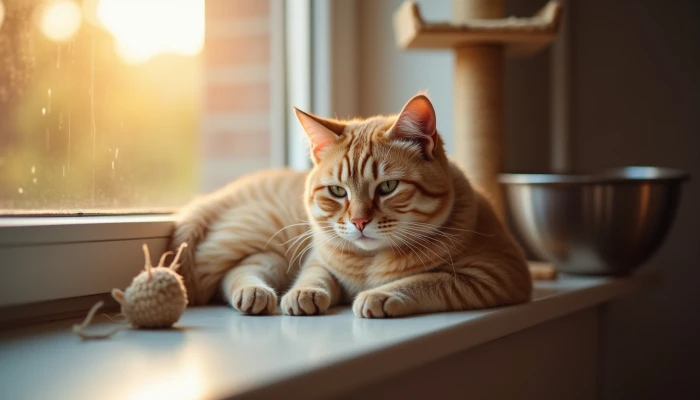
8 Health Problems Senior Cats Can Hide Until They Get Worse
Cats often hide discomfort well, which can make aging-related illness easy to miss. That is why senior pet care for cats is less about waiting for obvious symptoms and more about noticing small changes in appetite, weight, movement, grooming, litter box habits, and behavior.
Many common senior cat health issues become easier to manage when they are found early. A change that seems minor at home can sometimes point to a condition that needs testing, monitoring, or treatment from a veterinarian.
This guide walks through eight problems that show up often in older cats, the early detection signs to watch for, and when to consult a veterinarian.
Use this quick checklist if you are unsure whether a change is worth mentioning at your cat's next visit.
- Drinking more or urinating more than usual
- Weight loss or weight gain without a clear reason
- Eating much more or much less than before
- Bad breath, drooling, or trouble chewing
- Stiffness, less jumping, or avoiding stairs
- Confusion, nighttime vocalizing, or disrupted routines
- New lumps, swelling, or unexplained low energy
- Any sudden decline in appetite, breathing, mobility, or alertness
If you notice one or more of these changes, do not assume it is "just old age."
Hyperthyroidism: Unusual Appetite and Weight Changes
Hyperthyroidism is a common condition in older cats. One of the clearest warning signs is a cat that seems very hungry but is still losing weight.
Some cats also become more restless, vocal, or active than usual. Others may seem irritable or have a faster heart rate. Because these changes can develop gradually, they are easy to overlook at first.
A good rule of thumb is to pay attention when appetite and body condition stop matching. If your cat is eating eagerly but getting thinner, that deserves a veterinary visit.
A veterinarian usually confirms hyperthyroidism with blood testing. This is not something to diagnose at home, and it is worth checking promptly because untreated disease can put strain on the heart and other body systems.
Kidney Disease: Silent but Serious Decline
Kidney disease is one of the most important conditions to watch for in senior cat care because early signs can be subtle. Many owners first notice that the water bowl empties faster or that the litter box is wetter than usual.
Other signs can include weight loss, a rougher coat, lower energy, or a normal appetite that no longer maintains body weight. Some cats also become pickier about food or seem mildly nauseated.
Because kidney disease may not be obvious in its early stages, routine blood work and urinalysis are especially useful in older cats. Regular screening is a key part of preventive pet care.
Call your veterinarian if you notice increased thirst, increased urination, or steady weight loss. Seek faster care if your cat stops eating, seems weak, or is vomiting repeatedly.
Dental Issues: Pain Hidden in Oral Health
Dental disease can affect comfort, appetite, and overall health, but cats often keep eating even when their mouths hurt. That means oral pain may show up as slower eating, chewing on one side, dropping food, or avoiding dry food rather than refusing meals completely.
Bad breath, drooling, pawing at the mouth, red gums, tooth loss, and visible tartar are all warning signs. Some cats also stop grooming well because mouth pain makes normal self-care uncomfortable.
Dental problems should not be dismissed as a minor issue. Ongoing oral pain can reduce quality of life and make eating harder over time.
Routine vet care matters here. Regular exams can catch gum disease, damaged teeth, and other oral problems before they become more advanced.
Arthritis: Mobility Changes and Discomfort
Arthritis in cats is often missed because the signs do not always look dramatic. Instead of limping, a senior cat may simply jump less, hesitate before climbing, sleep more, or stop visiting favorite high places.
You might also notice stiffness after resting, less interest in play, irritability when touched, or changes in litter box habits if stepping into the box becomes uncomfortable.
These changes are sometimes mistaken for normal aging, but pain should not be treated as inevitable. A veterinary exam can help sort out arthritis from other causes of mobility change.
This is one of the best examples of why early detection matters. Small behavior shifts can be the first clue that your cat is uncomfortable and needs support.
Diabetes: Hidden Metabolic Imbalances
Diabetes can look similar to other senior cat illnesses at first. Common signs include drinking more, urinating more, losing weight, and seeming tired or less engaged.
Some cats also develop changes in appetite. Others may appear weaker in the back legs. Because these signs overlap with kidney disease and hyperthyroidism, testing is important rather than guessing.
Cats with excess body weight may face added risk, which is one reason weight checks are an important part of senior pet care. A veterinarian can evaluate blood glucose and related findings to determine what is going on.
If your cat is suddenly drinking much more than usual or losing weight without explanation, schedule an appointment. If your cat becomes very weak, stops eating, or seems acutely ill, seek prompt veterinary attention.
Cognitive Decline: Behavioral Shifts in Senior Cats
Older cats can develop changes in memory, awareness, and daily routine. These shifts may be subtle at first. A cat may seem confused in familiar rooms, stare at walls, vocalize more at night, or sleep at unusual times.
Some cats appear less interactive, forget established habits, or seem disoriented after waking. These signs can be related to cognitive decline, but they can also overlap with pain, vision loss, hearing changes, thyroid disease, or high blood pressure.
That is why behavior changes deserve a medical discussion rather than a wait-and-see approach. A veterinarian can help rule out other causes and assess whether age-related cognitive change may be contributing.
When a senior cat's routine changes noticeably, it is worth documenting what you see and when it happens. That record can help your veterinarian spot patterns.
Obesity: Hidden Risks to Longevity
Weight gain in older cats is easy to miss when it happens slowly. But excess weight can make movement harder, worsen joint strain, and complicate other health problems.
A cat that is less active may gradually gain weight, which then makes activity even more difficult. This cycle can affect comfort and metabolic health.
At home, watch for a widening waistline, difficulty grooming the lower back, reduced interest in movement, or trouble getting into favorite resting spots. Weight changes in either direction matter in older cats.
Safe weight management should be guided by a veterinarian, especially in seniors. Rapid diet changes or unplanned food restriction are not a good substitute for a proper health assessment.
Cancer: Early Detection Saves Lives
Cancer is not a single disease, so the warning signs vary. In senior cats, possible red flags include unexplained weight loss, persistent low energy, changes in appetite, visible lumps, swelling, or sores that do not seem to heal.
Some cancers cause very general signs, which is one reason they can be hard to catch early. A cat may simply seem "off" for a while before more specific symptoms appear.
This is a good time to trust your observations. If your cat has a new lump, a persistent physical change, or a steady decline in energy or body condition, book a veterinary exam.
Veterinarians may use imaging, lab work, or biopsy to investigate further. The key point is not to monitor suspicious changes for too long without professional input.
Conclusion
Senior cats often show illness through small changes before they show obvious distress. Watching for those early signs is one of the most useful things an owner can do.
Here is a simple way to think about when to consult a veterinarian.
| What you notice | What to do |
|---|---|
| Mild but ongoing change in appetite, weight, grooming, or behavior | Schedule a routine exam soon |
| Increased thirst, increased urination, stiffness, dental pain signs, or repeated vomiting | Move the appointment up and mention the change clearly |
| Sudden weakness, trouble breathing, collapse, inability to urinate, or refusal to eat with marked lethargy | Seek urgent veterinary care |
Routine vet care is especially important for older cats because screening tests can catch problems before they become severe. Many veterinary sources also emphasize regular senior wellness visits, often every 6 to 12 months depending on the cat's health status.
The goal is not to become alarmed by every change. It is to notice patterns, act early, and work with your veterinarian to protect your cat's comfort and quality of life.