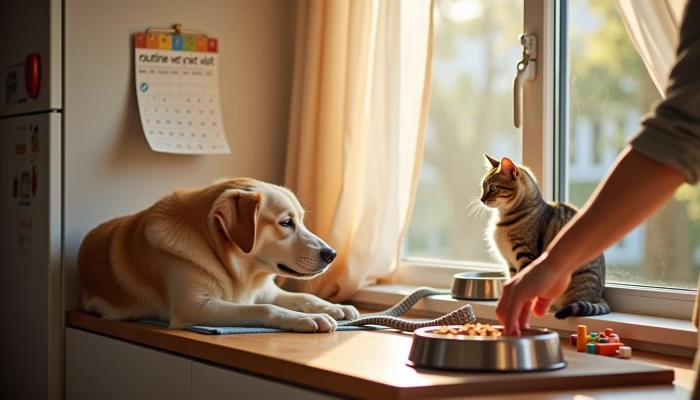
The Senior Pet Care Habits That Need to Change First
Senior pets usually do not need a completely different life overnight. They do need care that matches how aging changes their body, energy, comfort, and behavior.
A common problem in senior pet care is that owners keep doing what used to work. The same long walks, the same food portions, the same checkup schedule, and the same home setup can become less helpful over time. Sometimes those habits are simply outdated. Sometimes they make an older dog or cat less comfortable than they need to be.
The good news is that many of the biggest mistakes are fixable with small, steady changes. The goal is not to guess your pet's needs on your own. It is to notice changes early, adjust routines thoughtfully, and bring your veterinarian into the plan when something no longer seems to fit.
1. Overlooking Exercise Adjustments for Aging Pets
One of the most common mistakes is assuming senior pets should either keep up with their old routine or stop exercising almost entirely. Neither extreme is usually helpful.
Older pets still benefit from movement, but the type, length, and intensity often need to change. High-impact play, long runs, repeated jumping, or slippery surfaces may be harder on aging joints. At the same time, too little movement can contribute to stiffness, weight gain, and loss of muscle.
A better approach is to shift toward lower-impact activity and watch how your pet responds.
| Old routine problem | More senior-friendly adjustment |
|---|---|
| Long, intense outings | Shorter, more frequent walks |
| Fast fetch sessions | Gentle play with breaks |
| Repeated jumping on and off furniture | Ramps, steps, or floor-level activities |
| Unstructured activity despite stiffness | Vet-guided exercise plan |
Pay attention to signs that exercise needs adjusting.
- Slowing down earlier than usual
- Stiffness after activity or after rest
- Reluctance to climb stairs, jump, or get into the car
- Limping, lagging behind, or stopping often
- Changes in breathing effort or recovery time
These signs do not automatically mean your pet should avoid activity. They do mean the current routine may no longer be the right fit.
For senior dog care, that often means shorter walks on a predictable schedule and fewer high-impact games. For senior cat care, it may mean encouraging controlled play, easier access to favorite spots, and more opportunities to move without forcing activity.
If your pet has arthritis, heart concerns, breathing issues, or a major drop in stamina, ask your veterinarian to help build an age-appropriate activity plan. That is especially important if you are trying to balance mobility, pain, and weight control at the same time.
2. Mismanaging Dietary Needs in Senior Pets
Another frequent mistake is feeding a senior pet exactly like a younger adult pet. Aging can change calorie needs, body composition, digestion, and how well a pet handles certain health conditions.
Many owners accidentally overfeed because they rely only on package directions or keep portions the same after activity levels drop. Others switch foods too quickly or try homemade meals without professional guidance, which can make balanced nutrition harder to maintain.
A more practical starting point is to review diet through three questions.
- Is your pet maintaining an appropriate body condition?
- Has activity changed enough that portions should be adjusted?
- Has your veterinarian flagged any age-related condition that affects diet choices?
In many cases, portion control matters as much as the food itself. Feeding based on ideal weight and current activity is often more useful than following a generic label amount.
Senior-focused diets can also be helpful when they are chosen for a pet's actual needs rather than just because the label says "senior." Some older pets need support for weight management, dental comfort, digestion, or kidney-related concerns. Others may do well on their current food with only portion changes.
A few practical mistakes to avoid include the following.
- Using treats to make up for reduced activity or increased affection
- Assuming every senior pet needs less protein or a major diet change without veterinary input
- Making homemade diets without guidance on nutrient balance
- Ignoring gradual weight gain because it happened slowly
If your pet is losing weight, gaining weight, drinking more, eating less, vomiting, or having ongoing digestive issues, that is a reason to involve your veterinarian rather than experimenting repeatedly at home.
This is also where budget questions can come up. If your older pet starts needing more frequent monitoring or diet-related follow-up, it may be a good time to revisit pet insurance explained in plain terms: what is covered, what is not, and whether your current plan still fits your pet's stage of life. That is not a feeding solution by itself, but it can affect how manageable ongoing care feels.
3. Neglecting Routine Care Modifications
Routine care often needs more adjustment in the senior years than owners expect. A pet may seem mostly fine while small problems build slowly in the background.
One of the biggest mistakes is waiting for obvious symptoms before changing the care routine. Older pets benefit from more watchful maintenance, especially when it comes to checkups, dental care, grooming, nails, and home safety.
A simple senior routine review can help.
- Ask whether veterinary visits should happen more often than they used to
- Check whether dental care is realistic and consistent at home
- Look at nails, paw comfort, coat condition, and mobility on floors
- Notice whether food, water, litter boxes, beds, or favorite resting spots are easy to reach
Regular veterinary visits matter because age-related conditions do not always start with dramatic signs. Changes in activity, appetite, behavior, weight, or comfort can have medical causes that are easy to miss in day-to-day life.
Dental care is another area owners often underestimate. Oral discomfort can affect eating, mood, and quality of life. Even if a full home dental routine is not possible, it helps to ask your veterinarian what level of care is realistic for your pet.
Home setup matters too. Small changes can reduce strain and lower the risk of slips or frustration.
| Routine area | Common mistake | Better adjustment |
|---|---|---|
| Vet visits | Waiting for visible illness | Ask about a senior checkup schedule |
| Dental care | Treating bad breath as normal aging | Discuss oral health and home care options |
| Flooring | Leaving slick surfaces unchanged | Add traction where your pet walks most |
| Resting areas | Keeping beds hard to reach | Create easy-access sleeping spots |
| Litter or potty access | Expecting the same mobility as before | Reduce stairs or obstacles when possible |
These changes are not about making your pet fragile. They are about making daily life easier on an aging body.
4. Common Overlooked Senior Pet Care Errors
Some senior pet care mistakes are less obvious because they look like normal aging or even kindness.
One example is overfeeding. When pets slow down, owners sometimes respond with extra treats, larger portions, or more table food. That can quietly increase weight and make movement harder.
Another is dismissing behavior changes. A pet who seems withdrawn, restless, less social, more vocal, or less interested in play may not just be "getting old." Behavior changes can be clues about pain, sensory decline, stress, cognitive changes, or another medical issue.
Mental stimulation also gets overlooked. Senior pets may move more slowly, but they still benefit from engagement. That can mean short play sessions, scent games, gentle training refreshers, food puzzles if appropriate, or simple social interaction on a predictable routine.
Use this quick checklist to spot overlooked issues.
- Has your pet's weight changed in the last few months?
- Are you giving more treats because your pet seems older or less active?
- Have you noticed new confusion, clinginess, pacing, or withdrawal?
- Is your pet still getting regular chances to explore, play, or interact?
- Have grooming, nail care, or paw comfort become harder to keep up with?
If you answer yes to several of those, it may be time for a routine reset.
A practical sequence can help.
- Write down the changes you have noticed.
- Review exercise, food portions, and home setup.
- Restart or simplify neglected routine care.
- Book a veterinary visit if behavior, appetite, mobility, or comfort has changed.
That process keeps you from brushing off important changes while also avoiding panic. In many cases, the most helpful move is not a dramatic overhaul. It is a clearer, more age-aware routine.
Conclusion
Good senior pet care is usually less about doing more and more about doing the right things differently.
Older pets often need adjustments in three areas first:
- Exercise that protects comfort while preserving mobility
- Feeding that reflects current weight, activity, and health needs
- Routine care that catches problems earlier and makes daily life easier
If your pet's habits, body, or behavior have changed, that is a sign to review the routine instead of assuming it is just age. Small changes can make a meaningful difference in comfort and quality of life.
The most reliable next step is a veterinary conversation that turns general advice into a plan for your individual pet. That keeps senior dog care and senior cat care practical, personalized, and grounded in what your pet actually needs now.