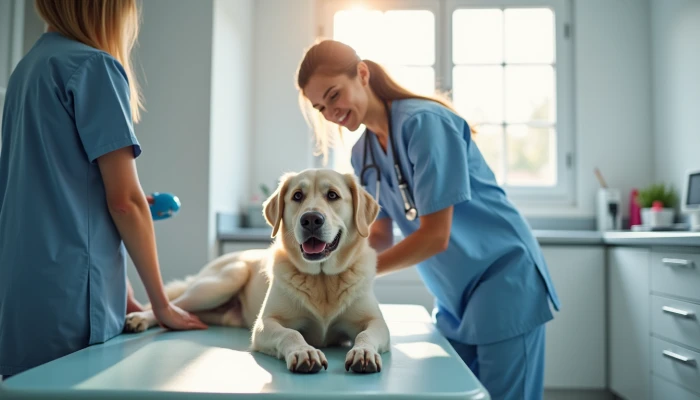
What a Routine Pet Exam Covers and How to Plan for the Cost
Routine checkups are a core part of preventive pet care, but many owners are unsure what actually happens during a wellness visit or how much to budget for it. That uncertainty can be even bigger with older pets, since senior visits may involve closer monitoring and added screening.
This guide explains what a pet wellness exam usually includes, how to prepare before the appointment, and what can affect the final bill. The goal is not to promise a standard price or one right approach, but to help you ask better questions and plan ahead with less stress.
What’s Included in a Pet Wellness Exam
A wellness exam is more than a quick look-over. It gives the veterinarian a chance to check your pet’s current health, spot changes that may not be obvious at home, and decide whether any follow-up testing makes sense.
A routine visit often starts with the basics. That usually includes weight, body condition, temperature, heart rate, breathing, and a general nose-to-tail physical exam. The veterinarian may also look at the eyes, ears, skin, coat, mouth, teeth, joints, and abdomen.
For many pets, the exam also includes a conversation about daily life. That can cover appetite, thirst, bathroom habits, activity level, behavior, parasite prevention, vaccines, and any new concerns you have noticed.
Depending on age, history, and symptoms, the visit may include or lead to diagnostic testing. Common examples include:
- Blood work
- Fecal testing
- Urinalysis
- Heartworm or parasite screening
- Dental assessment
These tests are often part of routine vet care because they can help catch problems earlier, before a pet seems clearly sick at home. Veterinary guidance from professional and clinical sources commonly emphasizes early detection for this reason.
Senior pets often need a more detailed wellness approach. Older dogs and cats have a higher chance of gradual changes that can be easy to miss, such as reduced mobility, weight loss, dental pain, or shifts in thirst and appetite. A senior exam may place more focus on:
- Arthritis or mobility changes
- Dental disease
- Lumps or skin changes
- Weight trends and muscle loss
- Organ function screening through lab work
- Signs that could prompt further cancer evaluation
That does not mean every senior pet gets the same tests at every visit. It means the exam is often more tailored, with a lower threshold for discussing screening based on age and risk.
A simple way to think about the visit is this:
| Exam part | What it helps assess |
|---|---|
| Physical exam | Overall condition, pain, visible changes, vital signs |
| Weight and body condition | Nutrition, chronic disease clues, muscle loss |
| Mouth and teeth check | Dental disease, pain, infection risk |
| Fecal or parasite testing | Intestinal parasites and related digestive concerns |
| Blood or urine testing | Internal health changes that may not show obvious symptoms |
| Senior-focused review | Mobility, chronic disease risk, age-related changes |
If your veterinarian recommends extra testing, it is reasonable to ask what the test is for, whether it is routine or symptom-driven, and how the result could change next steps.
How to Prepare for a Wellness Exam
Good preparation can make the appointment more useful and less rushed. It helps the veterinarian get a clearer picture of what has changed since the last visit and what may need closer attention.
Before the appointment, spend a few days observing your pet as normally as possible. Small details matter. A pet that still seems cheerful may still be drinking more water, hesitating on stairs, or waking up at night to urinate.
It helps to write down changes in:
- Appetite or water intake
- Energy level
- Vomiting or diarrhea
- Coughing or sneezing
- Itching, licking, or skin changes
- Mobility, stiffness, or jumping ability
- Litter box or bathroom habits
- Behavior, stress, or sleep patterns
Bring any records the clinic may need, especially if this is a first visit or you have recently moved. Useful items include:
- Previous medical records
- Vaccination history
- A list of current medications or supplements
- Notes about past reactions or chronic conditions
- Insurance details, if you plan to submit claims
If the clinic asks for a stool or urine sample, follow their instructions closely. Sample timing, storage, and container type can affect whether the test is usable.
You can also make the visit easier on your pet with a short pre-visit checklist.
- Confirm the appointment time and any fasting instructions.
- Pack records, medication names, and your question list.
- Use a se carrier for cats and a leash or carrier for dogs, depending on the clinic’s rules.
- Allow extra travel time so you are not rushed.
- Bring a familiar towel or blanket if your pet gets stressed.
For senior pets, it can help to note patterns rather than one-off events. For example, write down whether stiffness happens every morning, whether appetite has changed over several weeks, or whether accidents indoors are becoming more frequent.
If you are worried about behavior during the visit, tell the clinic before you arrive. Many practices can suggest handling steps that reduce stress. That is especially helpful for cats, anxious dogs, and older pets that do not tolerate long waits well.
A prepared visit usually leads to a better conversation. Instead of trying to remember everything in the exam room, you can focus on the veterinarian’s guidance and decide what follow-up care makes sense.
Cost Considerations and Insurance Options
The cost of a wellness visit can vary widely. The final amount depends on more than the exam itself. Location, clinic pricing, your pet’s age, and whether the veterinarian recommends additional testing all play a role.
A basic appointment fee may cover the physical exam only. Other services are often billed separately, such as vaccines, fecal testing, blood work, urinalysis, nail trims, or dental evaluation. Senior pets may have higher routine care costs if screening labs are recommended more often.
When asking about price, it helps to separate the visit into parts:
| Cost area | What may be included |
|---|---|
| Exam fee | Physical exam and discussion of concerns |
| Preventive services | Vaccines, parasite screening, fecal testing |
| Lab work | Blood tests, urinalysis, age-related screening |
| Add-on care | Nail trim, ear cleaning, follow-up diagnostics |
That breakdown can help you compare clinics more clearly and avoid surprises. It also makes it easier to ask which services are routine for your pet’s life stage and which are being suggested because of a specific concern.
If you are exploring pet insurance explained in simple terms, the key point is that standard accident-and-illness policies often do not include routine wellness care. Some insurers offer optional wellness add-ons or separate wellness plans that may help with predictable preventive expenses such as exams, vaccines, and screening tests.
That does not mean every plan is a good fit. If you are asking, is pet insurance worth it, the answer depends on what you want help paying for and how comfortable you are budgeting for routine care out of pocket. A wellness add-on may be useful for some households because it spreads expected costs across the year, but coverage limits and included services vary.
When comparing options, look at:
- Whether routine exams are included at all
- Which preventive services are covered
- Annual limits or service caps
- Whether dental preventive care is included
- Whether the plan is an add-on or part of a broader policy
- How reimbursement or direct payment works
A few practical questions to ask before enrolling are:
- Does this option cover routine wellness visits, or only accidents and illness?
- Are blood work and senior screening tests included?
- Is there a yearly cap that could leave some routine costs out of pocket?
- Can I use my current veterinarian?
- Does the monthly cost fit my budget even if my pet uses only part of the benefit?
If insurance or a wellness plan is not the right fit, you can still plan ahead. Some owners set aside a small monthly amount for routine care, ask clinics about expected annual preventive costs, or schedule senior screening at times of year that are easier on the household budget.
The most useful mindset is to treat wellness care as a recurring expense, not a surprise expense. That can make routine visits easier to maintain and may reduce the chance of delaying care because of uncertainty about the bill.
Conclusion
Wellness exams are one of the most practical tools in pet wellness because they create a regular chance to catch changes early, update preventive care, and talk through concerns before they become bigger problems.
If you know what the visit usually includes, prepare a few notes in advance, and ask clear questions about costs, the appointment becomes much easier to manage. For senior pets especially, that kind of planning can support more thorough care without assuming every pet needs the same schedule or testing.
When in doubt, ask your veterinarian what is routine for your pet’s age and history, what is optional, and what should be prioritized now. That conversation is often the best way to balance good care with a realistic budget.