The Senior Pet Care Mistakes That Sneak Up on Owners
Senior pet care often goes off track in quiet ways. A dog or cat may seem to be "just slowing down," eating a little differently, or acting less interested in play. But aging can change calorie needs, muscle mass, dental comfort, mobility, and how early illness shows up.
That is why routine habits that worked for a younger pet may no longer fit. Good senior pet care is less about doing everything at once and more about making a few intentional adjustments early.
The most helpful approach is practical and steady: measure food, track changes, keep up with dental and preventive care, and work with your veterinarian when something shifts. Small corrections can make day-to-day life more comfortable for senior dogs and senior cats, while also helping you notice problems sooner.
Overlooking Measured Feeding Practices for Aging Pets
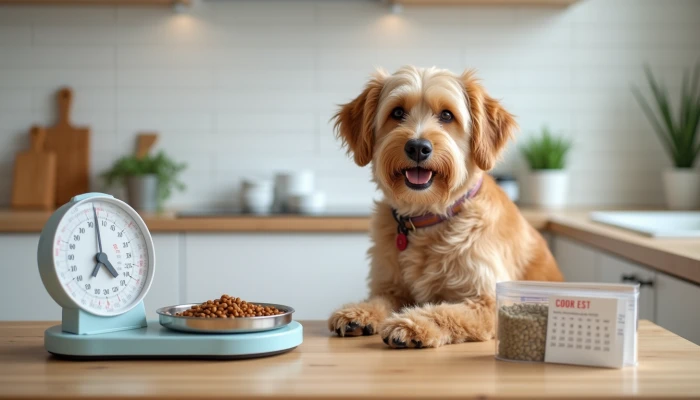
One of the easiest mistakes to make is feeding a senior pet the same way you always have. Aging often changes metabolism, activity level, body composition, and appetite. That means a full bowl, rough guess, or label-based portion estimate may no longer match what your pet actually needs.
Measured feeding practices matter because senior pets can gain fat while losing muscle, and those changes are not always obvious at home. In some pets, calorie needs drop. In others, especially some older cats or pets with medical issues, maintaining weight can become harder. The goal is not simply "less food." It is the right amount of food for that individual pet.
A practical reset looks like this:
- Measure every meal with the same tool each time.
- Write down how much your pet actually eats, not just what you offer.
- Recheck portions if activity level, appetite, or weight changes.
- Ask your veterinarian whether your pet's current diet still fits their age, body condition, and health status.
Veterinary nutrition guidance for senior pets commonly emphasizes individualized plans instead of generic feeding charts. That is especially important if your pet has kidney concerns, digestive issues, arthritis, or another chronic condition.
If you want a simple starting point, use this feeding review checklist:
- Am I measuring meals instead of estimating?
- Has my pet's weight changed in the last few months?
- Is my pet leaving food behind or asking for more?
- Has activity dropped compared with last year?
- Has my veterinarian reviewed the current diet recently?
Measured feeding is one of the most practical foundations of senior dog care and senior cat care because it gives you something objective to track instead of relying on guesswork.
Neglecting Weight Management Through Veterinary Collaboration
Weight management in older pets is not just about appearance. Weight gain can worsen joint strain and mobility problems, while weight loss can point to muscle loss, dental pain, digestive trouble, endocrine disease, kidney disease, or other medical concerns.
A common mistake is trying to fix weight changes at home without a veterinary check-in. Cutting food too quickly or adding more food on your own can miss the real issue. In senior pet care, weight management works best as a shared process between owner and veterinarian.
That collaboration usually includes more than a number on the scale. It may involve body condition scoring, muscle condition assessment, diet review, and a discussion of changes in thirst, appetite, stool, energy, or mobility.
This is a useful framework for routine monitoring:
| What to track | Why it matters |
|---|---|
| Body weight | Helps catch gradual gain or loss early |
| Body condition | Shows whether your pet is carrying too much or too little fat |
| Muscle condition | Can reveal age-related muscle loss even if weight looks stable |
| Appetite patterns | Helps identify pain, nausea, dental trouble, or illness |
| Activity and mobility | Gives context for calorie needs and comfort |
Ask your veterinarian for a realistic plan you can follow at home. That may include regular weigh-ins, portion adjustments, or a different feeding schedule. If your pet needs to lose or gain weight, slow and supervised changes are usually safer than abrupt ones.
This is also where pet insurance explained conversations may become relevant for some families. Insurance does not replace preventive care decisions, and coverage varies, but understanding what your plan does or does not cover can help you prepare for age-related evaluations and follow-up care. The key point is to avoid delaying assessment when weight changes appear.
Failing to Implement Symptom Monitoring Protocols
Many senior pet problems start with subtle changes. A pet may hesitate before jumping, sleep more restlessly, chew on one side, miss the litter box, seem less interested in food, or take longer to settle. These signs are easy to dismiss if you do not have a consistent way to notice them.
That is why symptom monitoring protocols are so useful. This does not need to be complicated. It simply means checking the same few areas regularly and writing down changes before they become easy to forget.
A simple weekly monitoring routine can include:
- Appetite and water intake.
- Stool quality and vomiting episodes.
- Mobility, stairs, jumping, and stiffness.
- Breathing effort and energy level.
- Mouth odor, chewing changes, or drooling.
- Weight trend if you can check it consistently.
- Behavior changes such as confusion, restlessness, hiding, or irritability.
The value of a protocol is pattern recognition. One off-day may not mean much. A repeated change over two or three weeks is more useful information to bring to a veterinary visit.
Contact your veterinarian sooner if you notice persistent appetite loss, repeated vomiting, ongoing diarrhea, clear pain signs, sudden weight change, trouble breathing, collapse, or a major shift in behavior. This article is not a substitute for diagnosis, but it can help you organize what you are seeing.
Senior health screenings are often more helpful when owners arrive with notes. Even a short phone note or checklist can improve the conversation and help your veterinarian decide what deserves closer attention first.
Dismissing the Importance of Dental Care in Senior Pets
Dental care is often treated like an optional extra, but in older pets it can have a big effect on comfort and daily function. Oral pain can reduce appetite, change chewing habits, affect grooming, and contribute to behavior changes that owners may mistake for normal aging.
Periodontal disease and other dental problems are common in aging pets, and they are not always obvious from a quick look at home. A pet may still eat while dealing with significant oral discomfort. That is one reason regular dental exams matter so much in senior pet care.
A better approach is to think of dental care in layers:
- Routine oral checks during veterinary visits.
- Professional dental assessment and treatment when recommended.
- Home dental care that fits what your pet will actually tolerate.
Home care helps, but it does not replace veterinary dental evaluation. Professional assessment is important because some problems involve areas below the gumline or parts of the mouth that are hard to evaluate without a proper exam.
If you are not sure whether dental discomfort could be part of the picture, watch for these clues:
- Bad breath that is new or worsening.
- Dropping food or chewing more slowly.
- Pawing at the mouth.
- Bleeding gums.
- Preference for softer food.
- Less interest in toys or chewing.
For many older dogs and cats, improving oral comfort can also make eating, grooming, and social behavior easier. That is why dental care should stay on the list even when there are other age-related concerns competing for attention.
Underestimating the Value of Preventive Care Transitions
Another common mistake is assuming preventive care should stay exactly the same throughout adulthood. Senior pets often need a transition in how wellness care is scheduled and what it focuses on.
That transition may include more frequent check-ins, updated screening plans, closer attention to arthritis and cognitive changes, and a review of vaccination and parasite prevention needs based on lifestyle and health status. The goal is not to add care for the sake of it. The goal is to match care to the risks that become more relevant with age.
A simple mistake-to-avoid table can help:
| Mistake | Better approach |
|---|---|
| Waiting for obvious symptoms | Schedule regular senior wellness visits and screenings |
| Using the same prevention plan forever | Review vaccines and parasite prevention with your veterinarian |
| Assuming slowing down is normal aging | Ask about pain, arthritis, and cognitive changes |
| Treating each issue separately at home | Build a coordinated care plan with your veterinarian |
Preventive care transitions are especially useful because many age-related problems begin gradually. Earlier recognition does not guarantee a specific outcome, but it often gives you more options for comfort, monitoring, and day-to-day management.
If you are unsure where to start, ask your veterinarian one practical question: "What should change in my pet's routine now that they are a senior?" That can open the door to a more tailored plan for nutrition, screening frequency, mobility support, dental care, and home observation.
In everyday terms, good preventive pet care for seniors means adjusting the routine before a problem becomes harder to manage.
Conclusion
The biggest senior pet care mistakes are often ordinary habits that no longer fit an aging dog or cat. Estimating food, overlooking small weight changes, skipping symptom tracking, putting off dental care, and keeping the same preventive routine for too long can all make it harder to spot problems early.
The fix is usually not dramatic. It is measured feeding practices, vet collaboration for weight management, symptom monitoring protocols, regular dental attention, and age-appropriate preventive care.
If your pet is entering or already in their senior years, choose one area to tighten up this week. Measure meals, start a simple health log, or schedule a wellness visit. Small, consistent steps are often what make senior dog care and senior cat care feel more manageable and more effective.